
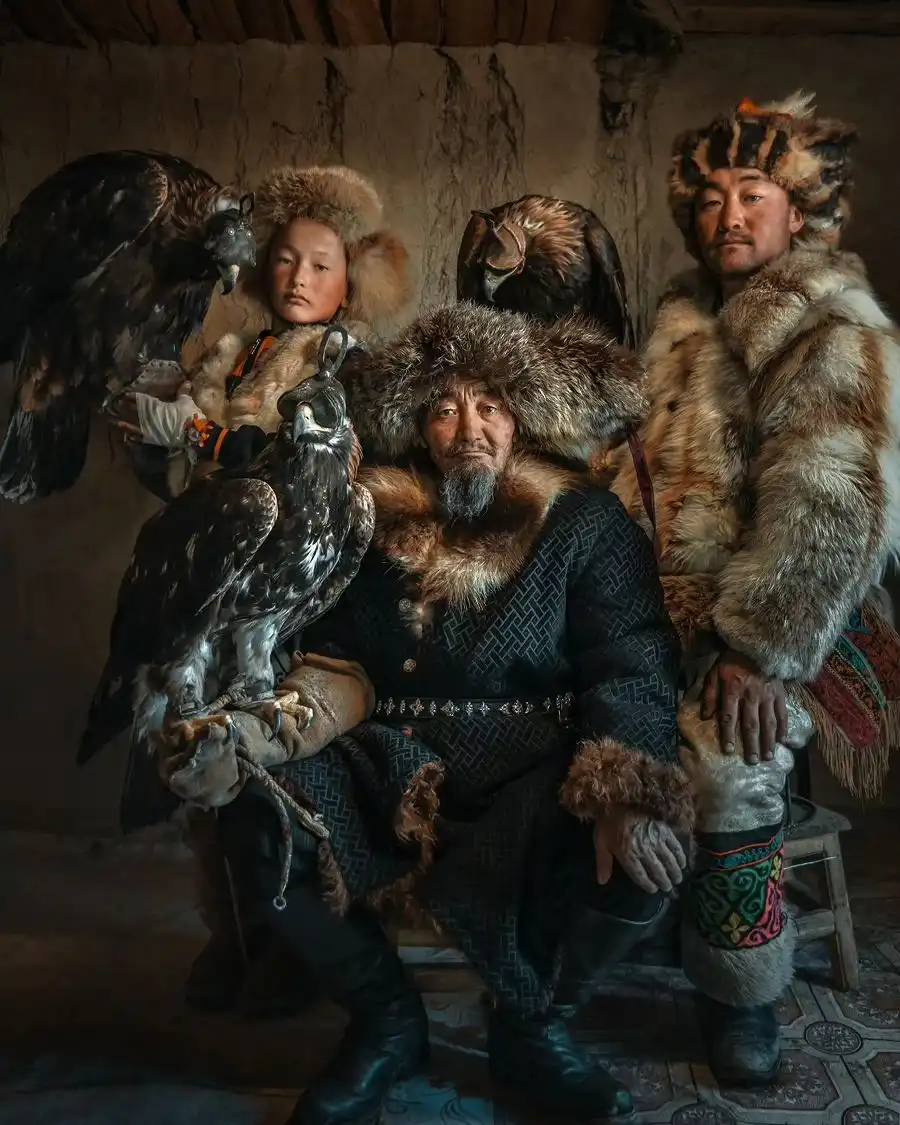
The Eagle Hunters’ Migration Photography Expedition is a rare cultural and photography-focused journey into western Mongolia, following Kazakh nomadic eagle hunters during their seasonal migration from winter to spring pastures. Designed for photographers, filmmakers and adventure travelers, this expedition offers intimate access to nomadic family life, dramatic landscapes of the Altai Mountains, and one of the world’s last living hunting traditions. Participants travel on horseback and on foot alongside the families, documenting authentic moments that few outsiders ever witness.
Highlights
- Follow a real nomadic eagle hunter family during their seasonal migration
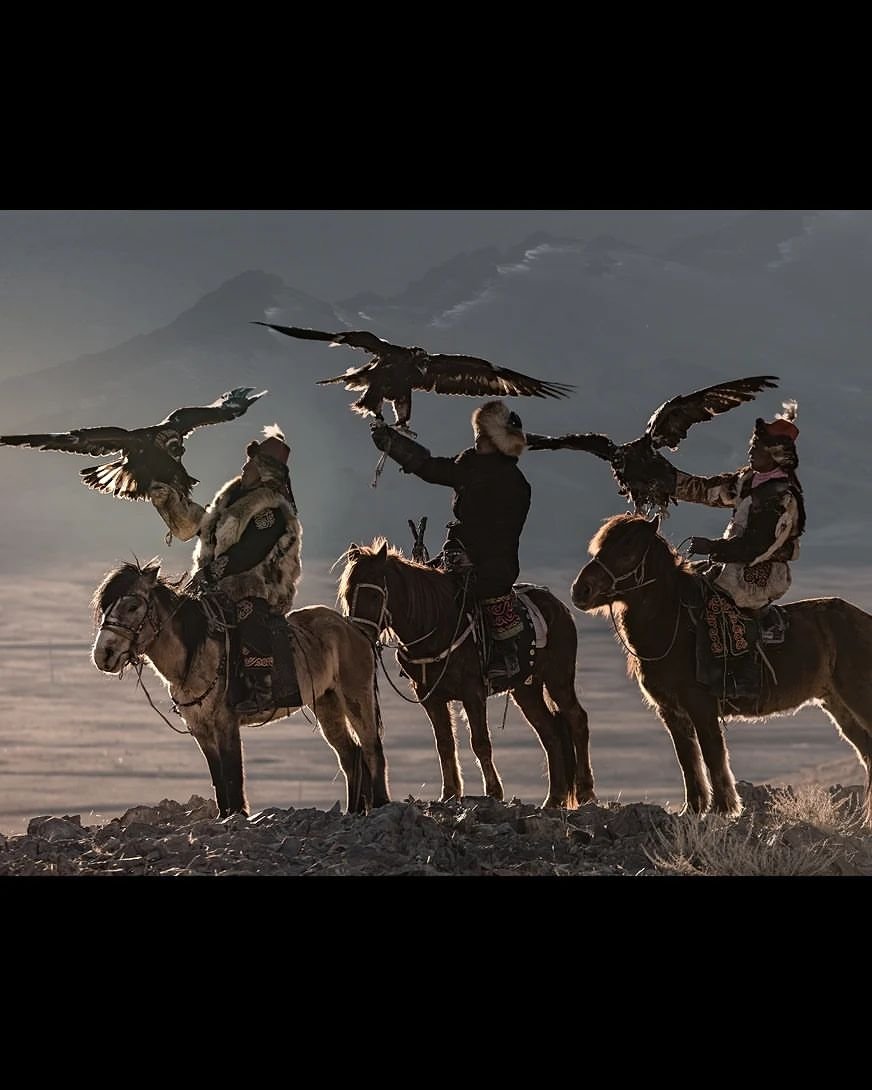
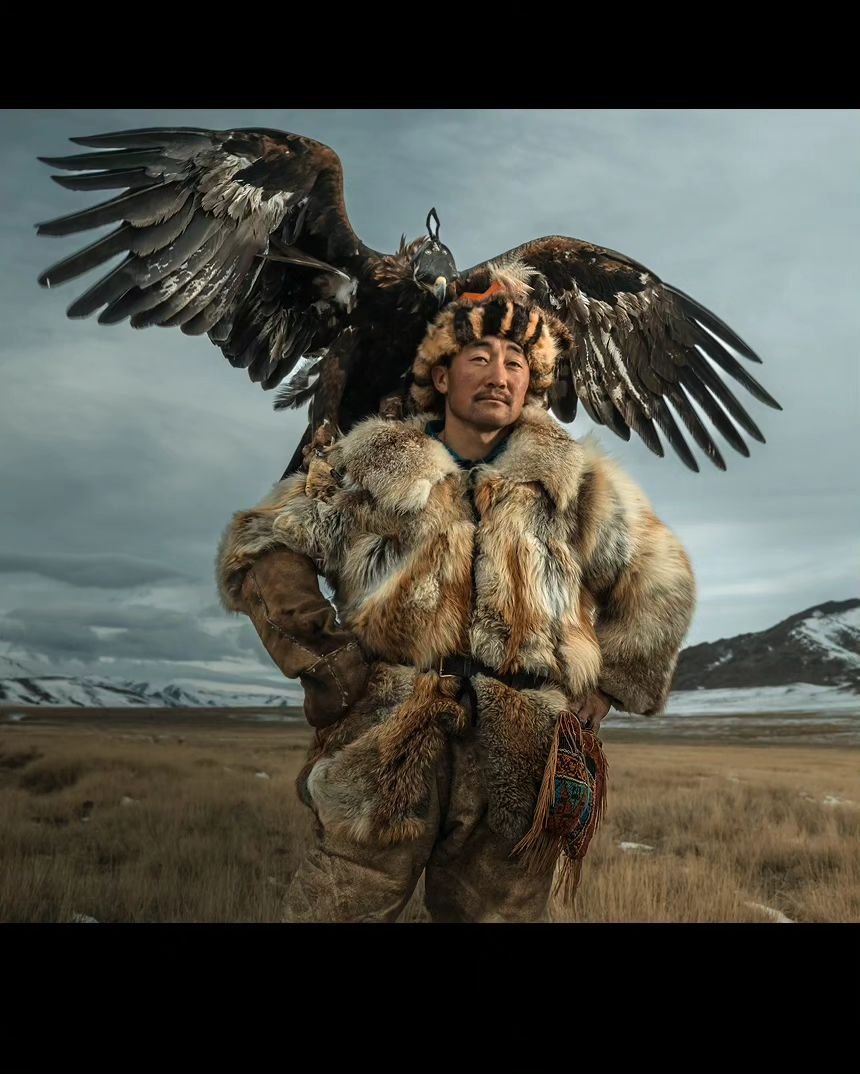
- Photograph golden eagles in action and traditional hunting techniques
- Horseback riding and hiking during migration days
- Stay in traditional nomadic yurts and winter wooden houses
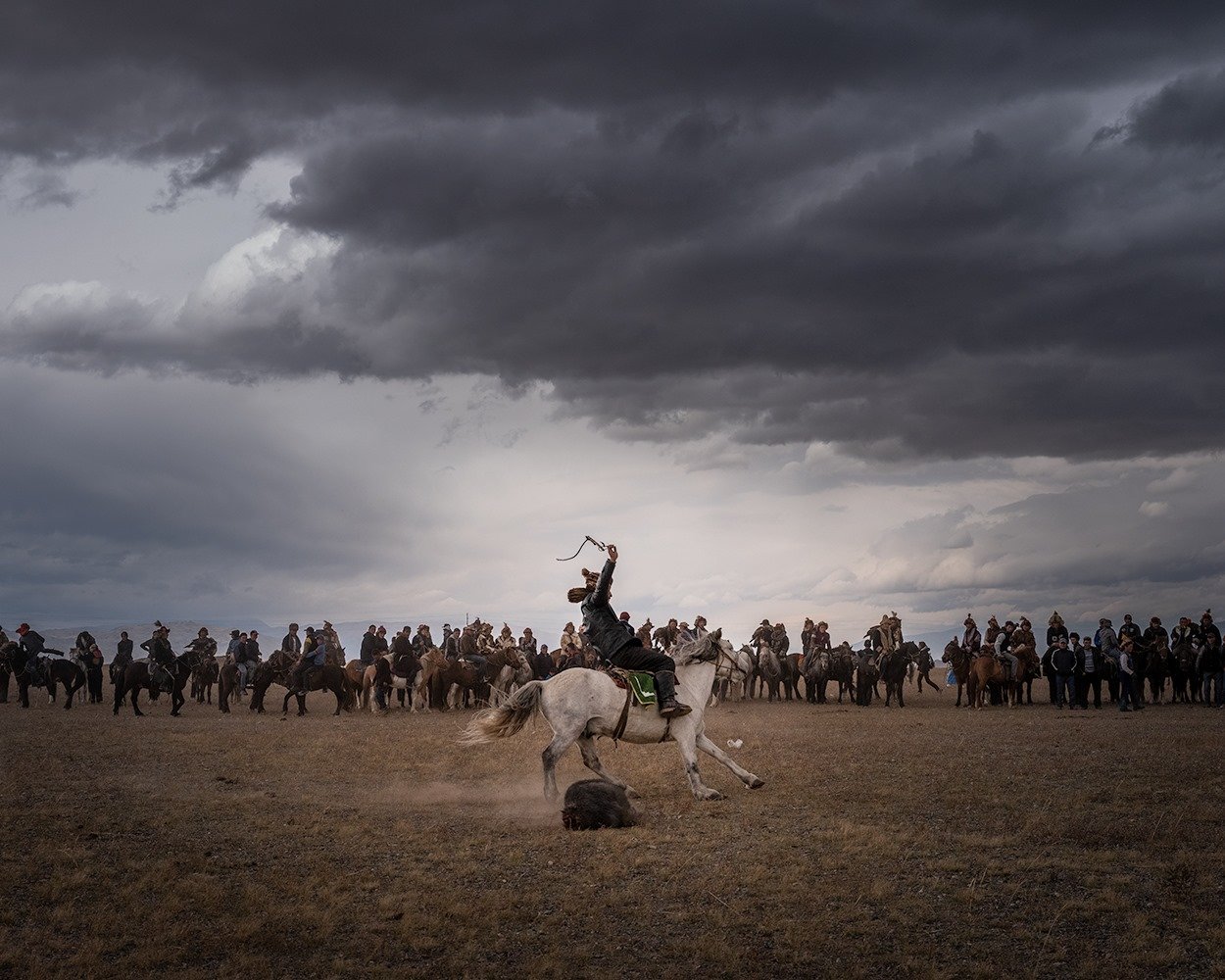
- Mini Eagle Hunters Festival with 10–15 eagle hunters competing
- Cultural encounters with Urankhai archers
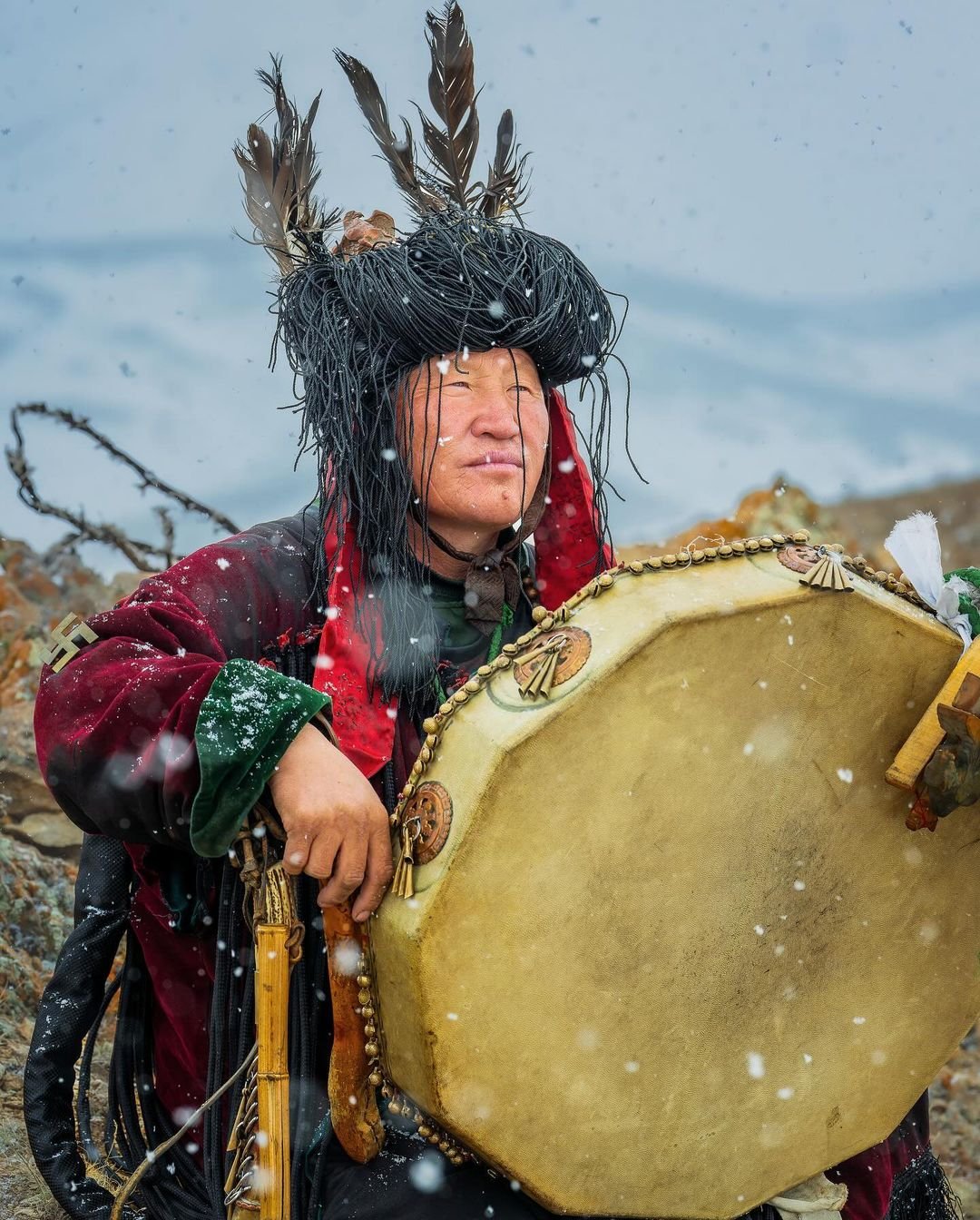
- Shamanic ritual experience with opportunities for discussion
- Spectacular Altai Mountain landscapes and remote pastures
- Authentic, non-staged photography opportunities
- Small-group, immersive expedition experience
Itinerary
Day 1 – Arrival in Mongolia (Ulaanbaatar)
Day 2 – Flight to Western Mongolia
Day 3 – Migration Day 1: Into the Altai
Day 4 – Migration Day 2
Day 5 – Migration Day 3
Day 6 – Migration Day 4: Spring Pasture
Day 7 – Mini Eagle Hunters Festival
Day 8 – Urankhai Archery & Shamanic Experience
Day 9 – Return to Ulaanbaatar
Day 10 – Departure
Trip details
Activities
Following the eagle hunters’ migration on horseback and on foot, photography, the Mini Eagle Hunters Festival, and a shamanic ritual experience.
Accommodation
Traditional nomadic yurts and winter wooden houses, depending on group size, plus local guesthouses.
Transportation
Domestic flights (Ulaanbaatar ↔ western Mongolia) and ground transportation with a support vehicle throughout the migration.
Meals
All meals included, prepared by an expedition chef who travels with the group.
What’s included
Included
- All accommodation during the expedition (nomadic yurts, winter wooden houses, local guesthouses)
- All meals during the expedition
- Domestic flights: Ulaanbaatar ↔ western Mongolia
- All ground transportation during the expedition
- Airport pick-up and drop-off in Mongolia
- Local English-speaking guide
- Support from eagle hunter families and local communities
- Entry fees and arrangements for the Mini Eagle Hunters Festival
- Archery and shaman experience arrangements
Not included
- International flights
- Accommodation in Ulaanbaatar
- Meals in Ulaanbaatar
- Travel and medical insurance
- Personal expenses (laundry, souvenirs, tips)
- Alcoholic beverages
- Photography equipment and personal gear
Gallery
Frequently asked questions
Where does the eagle hunters’ migration take place?
The migration takes place in western Mongolia, in the Altai region within Altai Tavan Bogd National Park. This remote area is home to Kazakh nomadic eagle hunters and offers dramatic mountain landscapes ideal for photography.
When is the winter migration held?
The migration usually takes place between mid-February and April, depending on weather conditions and the nomadic families’ decisions. This period offers the best combination of snow-covered landscapes, active migration, and strong photographic opportunities.
How long is the migration route?
The total migration distance is approximately 150 km from the starting point in western Mongolia to the family’s seasonal spring pasture.
What type of accommodation is provided during the migration?
Accommodation depends on group size. Groups of more than 4 people: we bring our own traditional ger (yurt), with a dedicated crew traveling with the expedition to set up, take down and transport the ger daily by truck during the migration. Small groups of 4 people or fewer: guests stay in nomadic wooden winter houses, usually with separate private rooms, offering comfort and warmth in cold conditions.
Will it be cold at night?
Both wooden houses and yurts are well insulated and warm. For yurt stays, our crew ensures proper heating throughout the night so guests remain comfortable, even in winter conditions.
What about toilets and bathing?
We provide a portable outdoor toilet, which can be brought inside at night if needed. For washing, each nomadic family has a sink that guests can use for basic hygiene.
Is there a support vehicle during the migration?
Yes. The migration follows existing car-accessible routes, and a support vehicle follows the herd throughout the journey. If participants or photographers feel tired or need a break, they can rest in the vehicle at any time.
What meals are provided during migration days?
Breakfast and dinner are prepared at camp. Lunch, snacks and drinking water are served during the migration, often enjoyed as a picnic with the nomadic herders — a unique cultural experience in itself.
Who prepares the food?
An experienced expedition chef joins the tour, traveling with a kitchen van fully stocked with food and supplies. The van also carries sleeping bags, mattresses and essential expedition equipment.
Do I need horseback riding experience?
No prior horseback riding experience is required. Horseback riding is optional, and guests can walk, ride, or use the support vehicle depending on comfort and energy levels.
Is this tour suitable for photographers of all levels?
Yes. The expedition is designed for both professional and enthusiast photographers. The slow pace of migration allows ample time for photography, rest and creative work.
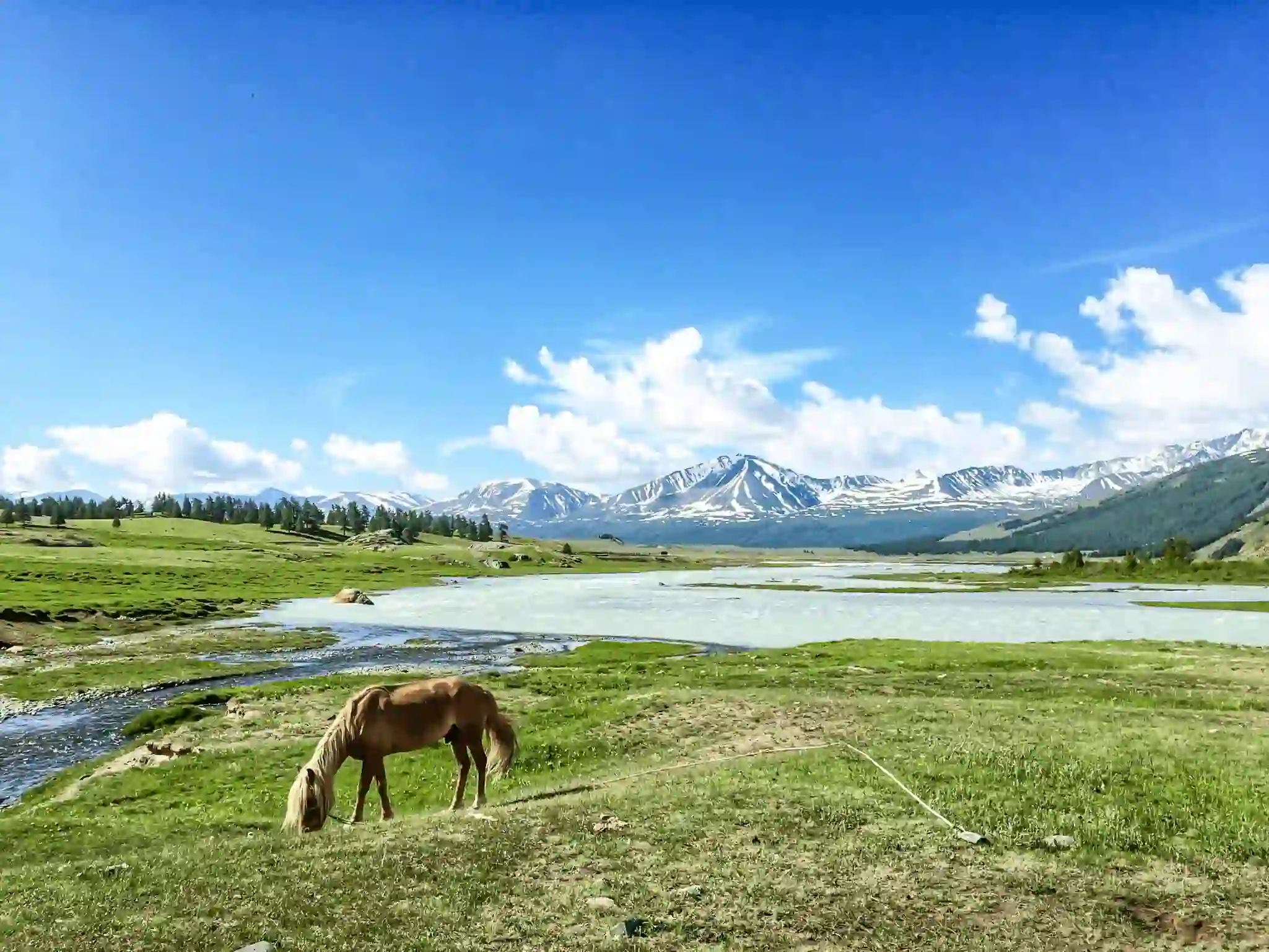
Home to Malchin Peak, the Potanin Glacier, and the Kazakh eagle-hunting families of Bayan-Ölgii.